
Automate Returns and Refund Requests Without Losing the Customer
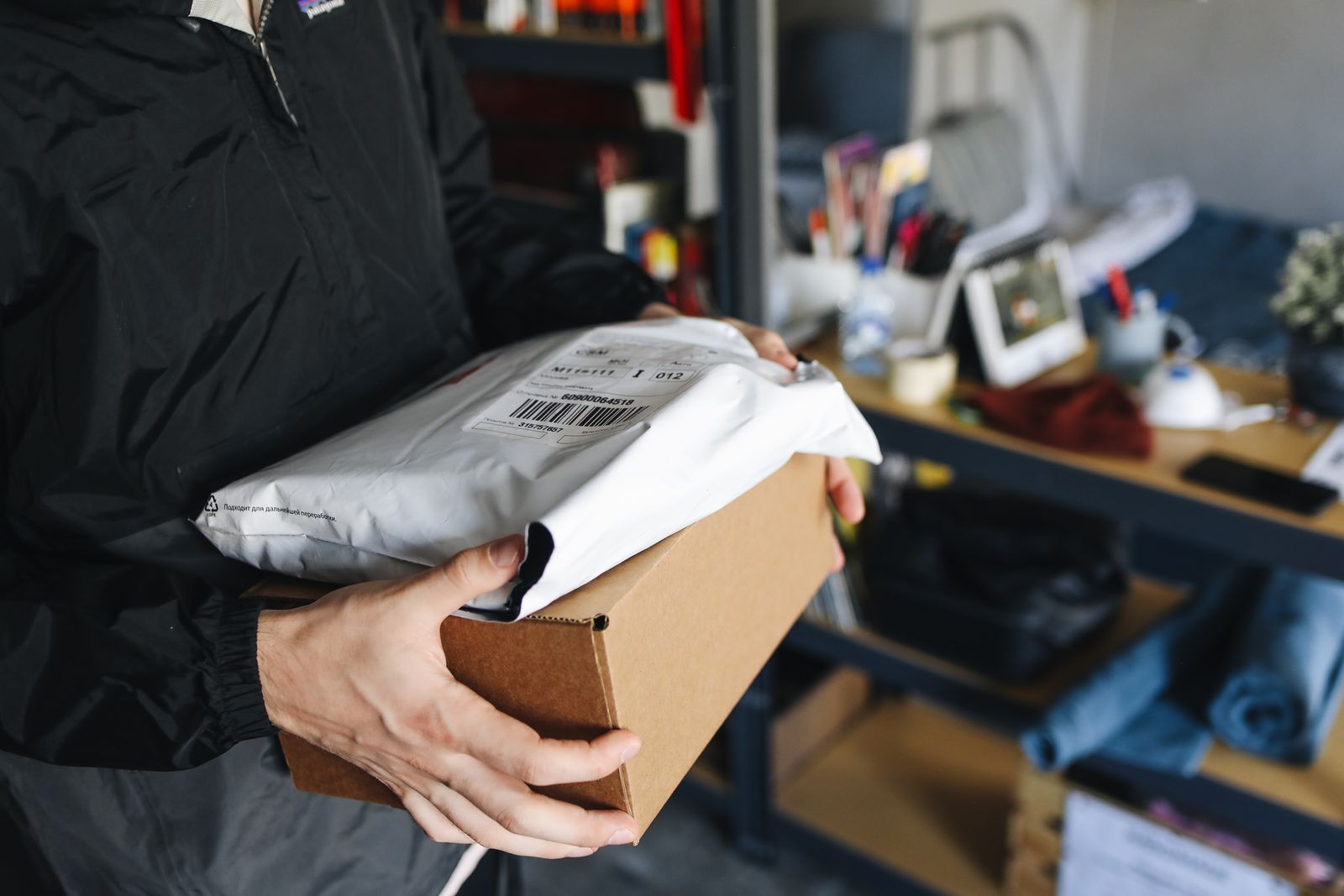
For an online brand, a return request is not just a cost. It is the moment a customer decides whether they will buy from you again. A fast, fair and clear return experience often earns more loyalty than a perfect first delivery.
Why returns overload support teams
- Customers ask the same questions: “Can I return this?”, “How long do I have?”, “Where do I send it?”
- Each request needs the order number, the item and the reason
- Policy rules differ by product, such as final sale items or hygiene products
- Updates on refund status generate even more messages
What an AI agent can handle
- Eligibility check. Look up the order, compare the date and product against your policy, and answer immediately.
- Collect the reason. Ask a short, structured question such as wrong size, damaged item or changed mind. This data is valuable for your product team.
- Send instructions. Share the return label or pickup details and what condition the item must be in.
- Give status updates. Tell the customer when the parcel is received and when the refund is processed.
What should stay with a person
Damaged or wrong items, high-value orders, repeat returners and angry customers deserve a human reply. Set rules so the agent hands over the full conversation, and the customer never has to repeat themselves.
Use returns data to improve the business
Returns reasons are a free source of insight. If one product keeps coming back as “too small”, fix the size guide. If many are “not as described”, fix the product page.
A simple way to start
Write your return policy as plain rules, load the ten most common questions, and let the agent answer only those at first. Review the conversations weekly and add rules as you learn.
Check your local consumer rules on returns and refunds. This article is general guidance, not legal advice.